NVIDIA adds four open Cosmos 3 Nano models for driving and robot world simulation
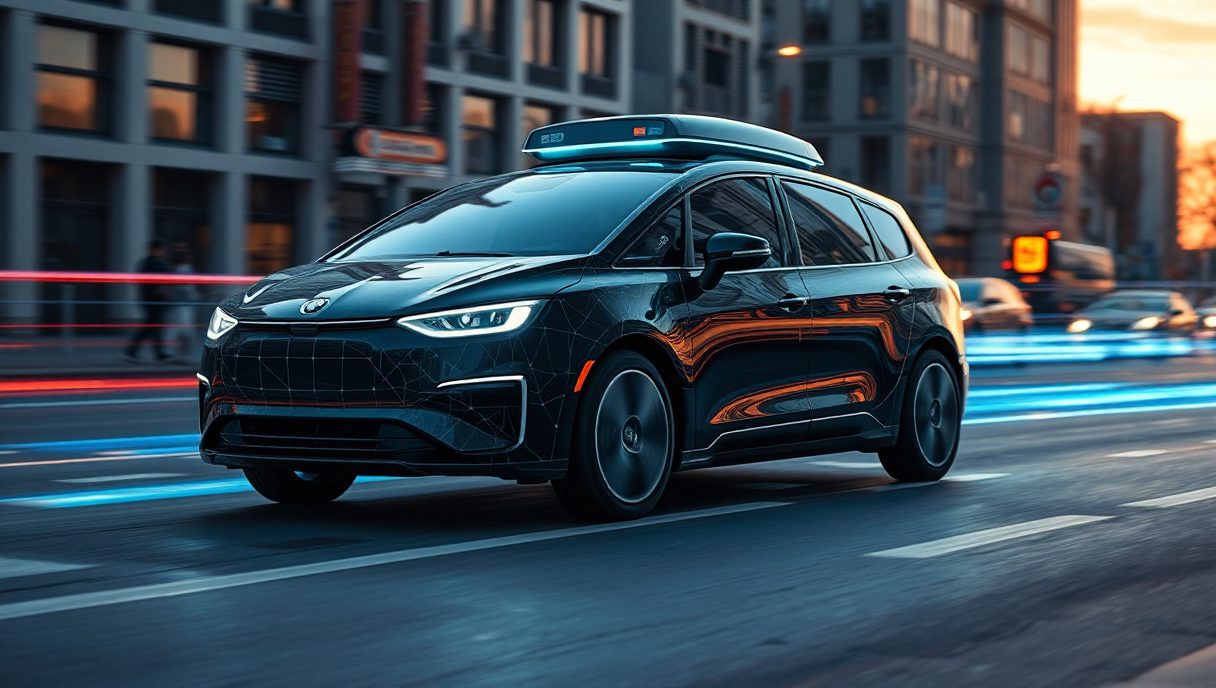
NVIDIA has published four new open-weight checkpoints in its Cosmos 3 family, announced on Hugging Face on November 5. All are tuned versions of Cosmos 3 Nano. Two target self-driving work: Transfer-Auto creates multi-camera driving footage with different weather, light and time of day, and Sim-Auto streams matching camera and LiDAR data for simulation. Sim-Transfer turns simulator controls plus a text prompt into realistic video, and Sim-Bimanual predicts video from the actions of a robot or camera.
Why it matters
Training cars and robots in the real world is slow and costly, so companies rely on simulated scenes that must look and behave like real ones. Open weights let research teams run and adapt these world models themselves instead of paying for closed tools.
What changes
- For developers
- The models are listed at 16 billion trainable parameters, need Linux, an NVIDIA GPU and Docker, and come with a technical report, notebooks and agent skills on GitHub. NVIDIA tested the bimanual setup on one GB200 and says that is not a minimum requirement.
- For businesses
- The OpenMDW-1.1 license allows commercial use under its terms, so robotics and automotive firms can build simulation pipelines on these checkpoints.
Sources
- NVIDIA on Hugging Face — New Cosmos 3 open models for interactive world simulation ↗ huggingface.co Primary source
Summarized by AI from official sources on November 7, 2026. Spotted a mistake? Let us know. How it works